
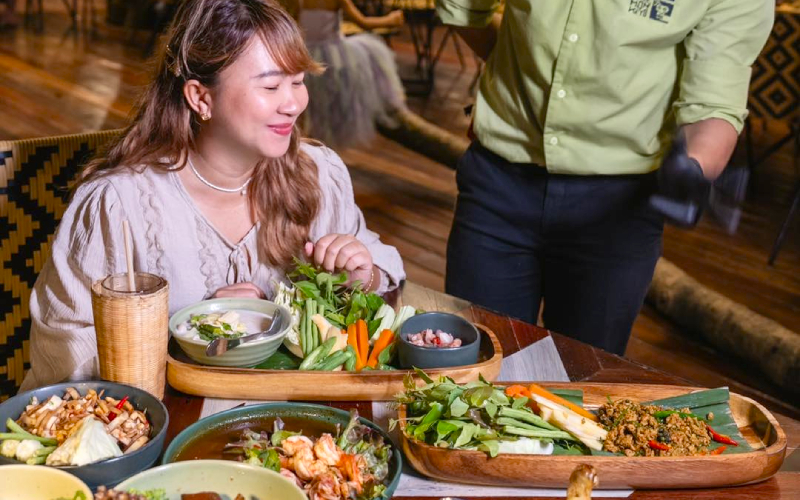
Taste carries geography in subtle ways. Climate shapes what grows, trade routes influence seasoning, and family traditions guide preparation methods. Travellers searching for authentic Thai food in Phuket often find themselves learning as much about regional identity as they do about individual dishes, noticing how flavour profiles reveal patterns of history, environment, and everyday life.
Island cooking tends to lean towards freshness and balance. Seafood appears frequently, herbs arrive vibrant rather than dried, and acidity cuts through richness in ways that reflect heat and humidity. These choices are not aesthetic trends, they are functional responses to climate and availability.
Flavours evolve slowly as communities adapt to changing supply and cultural exchange. What feels traditional today often carries layers of influence accumulated across generations.
Ingredients as Local Storytellers
Certain ingredients signal place immediately. Coconut milk reflects coastal agriculture. Lime and tamarind indicate preservation needs and flavour balancing practices. Chillies, although globally widespread now, tell a story of historical trade and adaptation.
Even rice varieties differ regionally, influencing texture and absorption. These distinctions shape how dishes feel physically, not just how they taste.
Technique Preserves Identity
Preparation methods maintain consistency across generations. Grinding pastes by hand, slow braising, or precise knife work reinforce texture and aroma that machines alone cannot replicate fully.
Technique carries memory. Children absorb these patterns by observation long before formal instruction, preserving cultural continuity through repetition.
Street Food as Cultural Snapshot
Informal food spaces often reveal the most honest reflection of daily habits. Portion size, price sensitivity, speed of service, and menu repetition indicate how food fits into working routines rather than celebratory occasions.
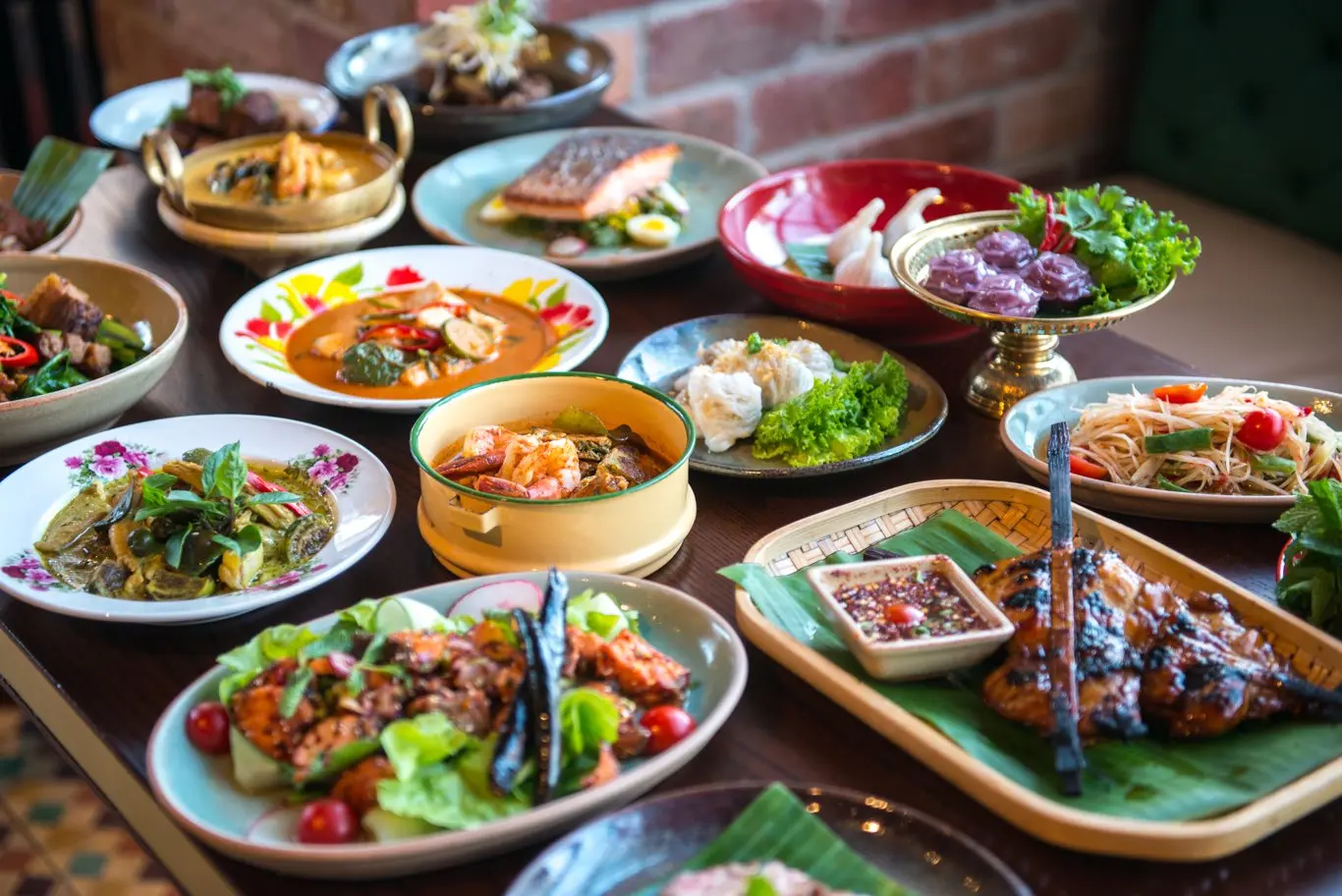
These environments also demonstrate community interaction. Regular customers exchange brief conversations, reinforcing food as social glue rather than mere consumption.
Balance as a Guiding Principle
Thai cuisine often prioritises balance over dominance. Sweetness offsets spice, acidity lifts richness, bitterness adds contrast. This equilibrium mirrors broader cultural values around harmony and moderation.
Diners gradually learn to appreciate subtle layering rather than seeking singular strong flavours.
Adaptation Without Dilution
Global influence inevitably introduces variation, yet core principles remain resilient. Local kitchens adapt to visitor preferences while maintaining essential flavour structure.
Authenticity rarely means rigidity. It reflects continuity of approach rather than frozen replication.
Regional flavour acts as edible history, carrying environmental logic, social rhythm, and cultural memory in every bite. Understanding this deepens appreciation beyond novelty and encourages respectful curiosity rather than superficial sampling.